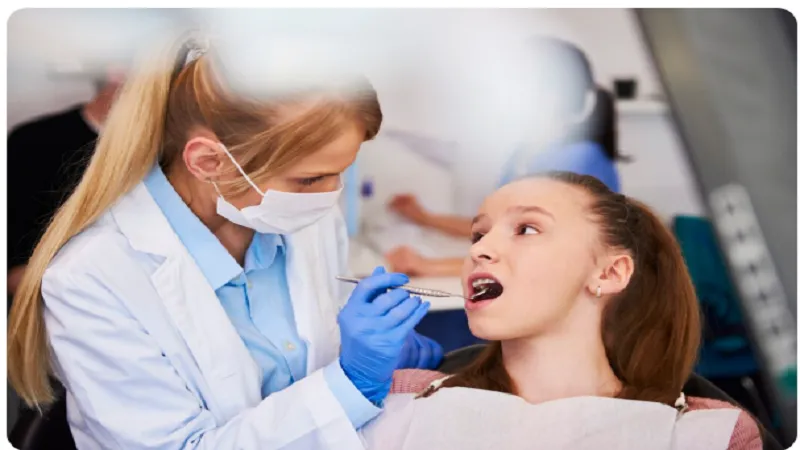
The teenage years are a time of rapid growth, social change, and self-discovery. As adolescents navigate new academic pressures, friendships, extracurricular activities, and social media, self-confidence often becomes closely tied to appearance. For many teens, concerns about crooked teeth, bite problems, or noticeable gaps can significantly affect how they feel about themselves.
Orthodontic treatment is commonly associated with straightening teeth, but its impact goes far beyond aesthetics. Properly timed care can improve oral health, function, and—most importantly—confidence during one of the most formative stages of life.
Why Confidence Matters So Much in the Teen Years
Adolescence is marked by heightened self-awareness. Teens are more likely to compare themselves to peers and feel sensitive about differences in appearance. Smiling, speaking in class, participating in sports, or even posing for photos can feel uncomfortable if a teen feels self-conscious about their teeth.
When dental misalignment becomes a source of embarrassment, teens may:
- Avoid smiling in photos
- Cover their mouths while laughing
- Hesitate to speak up in class
- Withdraw socially
- Experience anxiety in peer interactions
Addressing orthodontic issues during this stage can help eliminate a daily source of insecurity and support healthier emotional development.
Common Orthodontic Concerns in Teens
Many orthodontic issues become more noticeable during early adolescence as permanent teeth fully emerge. Common concerns include:
- Crooked or crowded teeth
- Overbite, underbite, or crossbite
- Gaps between teeth
- Jaw alignment problems
- Protruding front teeth
While some of these issues are cosmetic, others can affect chewing, speech, and long-term oral health. Early evaluation by an experienced professional allows families to understand both the functional and psychological implications of treatment.
The Link Between Straight Teeth and Self-Esteem
A confident smile influences how teens see themselves and how they are perceived by others. Research consistently shows that individuals with aligned, healthy smiles are often viewed as more approachable and self-assured. While personality ultimately defines confidence, feeling good about one’s smile can remove a barrier to authentic self-expression.
Orthodontic treatment helps teens:
- Smile freely without self-consciousness
- Speak clearly and comfortably
- Participate more confidently in social situations
- Feel prepared for milestone events like school dances, presentations, and college interviews
For many families, the decision to pursue braces or clear aligners is as much about emotional well-being as it is about dental alignment.
Health Benefits That Support Long-Term Confidence
Confidence isn’t just about appearance. It’s also about comfort and functionality. Orthodontic treatment improves oral health in ways that contribute to overall well-being:
Easier Oral Hygiene
Crowded teeth can trap food particles and make brushing and flossing difficult. This increases the risk of cavities and gum disease. Straight teeth are easier to clean, promoting better long-term dental health.
Reduced Risk of Injury
Teeth that protrude significantly are more vulnerable to injury during sports or accidents. Correcting alignment can help protect teeth from trauma.
Improved Bite Function
Malocclusion, or improper bite alignment, can lead to jaw discomfort, headaches, uneven tooth wear, and speech issues. Correcting bite problems improves comfort and daily function.
When teens feel physically comfortable and free from ongoing dental issues, their confidence often grows naturally.
Treatment Options Designed for Teen Lifestyles
Today’s orthodontic solutions are more flexible and discreet than ever before. While traditional metal braces remain effective, teens may also have options such as ceramic braces or clear aligners depending on their needs.
Modern treatment approaches prioritize:
- Comfort
- Efficiency
- Aesthetics
- Customization
Clear aligner systems, for example, are popular among teens who prefer a more subtle look. Traditional braces, meanwhile, continue to offer reliable correction for complex alignment issues.
A thorough consultation with a trusted Washington DC-based orthodontist helps families determine which treatment option best fits a teen’s lifestyle, dental condition, and long-term goals.
Timing Is Key: Why the Teen Years Are Ideal for Treatment
The adolescent growth phase often provides an optimal window for orthodontic care. During this time:
- Jaw growth can be guided more effectively
- Teeth respond well to movement
- Most permanent teeth are already in place
- Treatment may be completed before adulthood
Addressing alignment during these years can prevent more complex dental procedures later in life. It can also ensure teens enter adulthood with a healthy, confident smile already established.
Supporting Teens Through the Treatment Process
While orthodontic treatment offers long-term benefits, the adjustment period requires support. Parents play a critical role in helping teens navigate the experience.
Here are practical ways to encourage confidence during treatment:
- Emphasize progress rather than temporary discomfort
- Celebrate milestones such as adjustment visits
- Reinforce proper oral hygiene habits
- Normalize braces as a common and positive step
It can also help to remind teens that many of their peers are undergoing similar treatment. Orthodontic care has become a routine part of adolescent healthcare, and modern appliances are more comfortable and less noticeable than in previous generations.
Beyond the Smile: Lasting Psychological Benefits
The confidence gained from orthodontic treatment often extends well beyond high school. Teens who feel comfortable smiling are more likely to:
- Engage socially
- Pursue leadership roles
- Speak confidently in public settings
- Approach new opportunities with assurance
As young adults enter college or the workforce, a confident smile can influence first impressions and professional interactions. While orthodontic treatment does not define personality or success, it can remove an obstacle that might otherwise hold someone back.
When Should Parents Seek an Evaluation?
If your teen expresses concern about their teeth or if you notice alignment issues, scheduling an orthodontic evaluation is a practical first step. Even if immediate treatment is not necessary, understanding the condition of your teen’s bite provides clarity and peace of mind.
Early assessment allows for:
- Monitoring jaw development
- Planning optimal treatment timing
- Avoiding preventable complications
- Educating teens about their oral health
Consulting with a qualified orthodontic specialist ensures that recommendations are tailored to your teen’s specific needs.
Final Thoughts
Orthodontic treatment during the teen years is about more than straight teeth. It is about supporting emotional development, promoting long-term oral health, and empowering adolescents to express themselves without hesitation.
A healthy, aligned smile can positively influence how teens see themselves and how they interact with the world. By addressing orthodontic concerns at the right time, families can help their teens build confidence that lasts well beyond graduation.
If you are considering options for your child, a consultation with a reputable orthodontic specialist can provide clarity, guidance, and a personalized treatment plan designed to support both health and confidence.