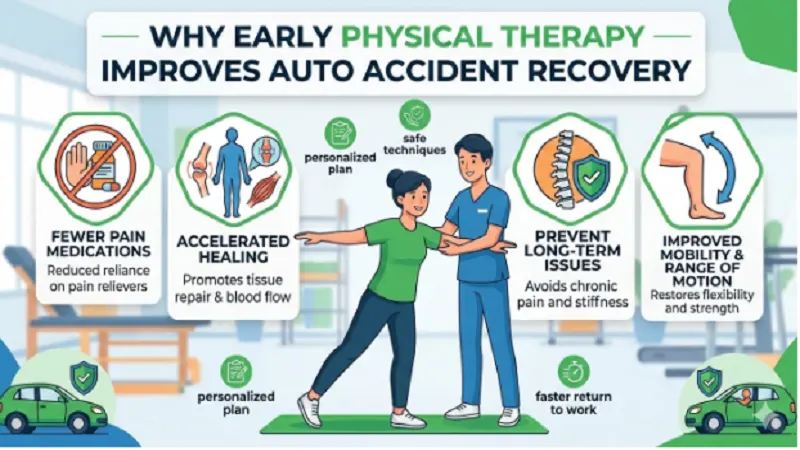
Getting into a car accident is a jarring experience, and often, the physical toll isn’t immediately obvious. You might feel okay right after the crash, but as the day goes on or the next morning, pain and stiffness can set in. This is your body’s way of reacting to the sudden forces involved. Ignoring these early signs can lead to bigger problems down the road, making your recovery much longer and more difficult.
That’s where physical therapy comes in, offering a way to address injuries early and get you back on your feet faster. If you’re in the Las Vegas area and dealing with the aftermath of a collision, seeking prompt car accident treatment is a smart move for your health.
Key Takeaways
- Starting physical therapy soon after a car accident can significantly speed up your healing process and prevent long-term issues.
- Early intervention helps manage pain naturally, reducing reliance on medication and its potential side effects.
- Physical therapy focuses on restoring your range of motion, making everyday activities easier and preventing lasting stiffness.
- Therapists work to strengthen muscles around injured areas, which is vital for preventing re-injury and supporting your body.
- Seeking timely car accident treatment in Las Vegas can lead to a quicker return to your normal work and daily life.
Understanding the Impact of Car Accidents on Your Body
Common Injuries Sustained in Auto Accidents
When you’re in a car accident, even a seemingly minor one, your body goes through a lot. The sudden jolt and forces involved can cause a surprising amount of damage. It’s not just about visible cuts and bruises; there’s a lot happening underneath the surface.
- Whiplash: This is probably the most talked-about injury. It happens when your head is suddenly thrown forward and then backward, or vice versa. This rapid movement can strain the muscles and ligaments in your neck.
- Soft Tissue Injuries: These are injuries to muscles, tendons, and ligaments. They can range from simple strains to more severe tears. You might feel stiffness, soreness, or a dull ache.
- Back Pain: The spine is particularly vulnerable. Lower back pain is common, even if the impact wasn’t directly to your back. The forces can twist and compress your spine.
- Joint Injuries: Your shoulders, hips, and knees can also take a hit. The impact can cause sprains, dislocations, or even damage to the cartilage within the joint.
- Concussions: While often associated with sports, you can get a concussion in a car accident too. A blow to the head or even the violent shaking of your head can cause a concussion, leading to headaches, dizziness, and confusion.
It’s easy to underestimate the effects of a car accident, especially when adrenaline is running high. Sometimes, the real pain doesn’t show up until hours or even days later.
The Silent Damage: Why Some Injuries Aren’t Immediately Apparent
This is where things get tricky. You might walk away from a crash feeling mostly okay, maybe just a little sore. You might even think, “I’m fine, I don’t need to see anyone.” But that feeling can be deceiving.
- Adrenaline Masking Pain: Right after an accident, your body releases adrenaline. This natural chemical can temporarily mask pain and discomfort, making you feel less injured than you actually are.
- Inflammation Takes Time: Many injuries, especially soft tissue ones, involve inflammation. This process doesn’t always happen instantly. It can build up over hours or days, leading to stiffness and pain that creeps up on you.
- Protective Muscle Spasms: Your body’s natural reaction to injury is to tense up the muscles around the affected area. This is a protective mechanism, but it can lead to stiffness and limit your movement, sometimes without you realizing the underlying cause.
- Hidden Joint Issues: Sometimes, a joint might be slightly out of alignment or have minor ligament damage that doesn’t cause immediate, sharp pain. However, this can lead to bigger problems down the road if not addressed.
The delay in pain can be deceptive. People often assume that if they aren’t hurting right away, they’re not seriously injured. This can lead to delaying medical attention, which can make recovery much harder later on.
It’s important to remember that even low-speed collisions can cause significant internal stress. Paying attention to your body in the days and weeks following an accident is key to catching these silent injuries before they become chronic problems.
The Crucial Role of Early Intervention: Why Physical Therapy Matters
Preventing Long-Term Complications with Prompt Treatment
It’s easy to think that if you’re not in a lot of pain right after a car accident, you’re probably fine. Sometimes, adrenaline and shock can mask injuries, making you feel okay for a few days. But here’s the thing: those hidden issues can turn into bigger problems down the road. Think of it like a small crack in your windshield – you might ignore it, but it can spread and eventually compromise the whole thing. The same goes for your body. When soft tissues get damaged, they start to heal, but without the right guidance, they can form scar tissue. This scar tissue isn’t as flexible as healthy tissue, and it can limit your movement permanently. Many people end up with chronic pain, especially in their neck, because an initial injury from an accident wasn’t addressed early on.
Starting physical therapy soon after an accident is your best bet for avoiding these long-term headaches. It helps manage inflammation, which is your body’s natural response to injury but can slow down healing if it sticks around too long. Getting blood flowing to the injured areas with early therapy promotes faster recovery. Plus, a physical therapist can spot subtle signs of injury that might not show up on an X-ray, catching problems before they get worse.
How Physical Therapy Accelerates Healing
So, how exactly does getting into physical therapy quickly help you bounce back faster? For starters, it’s all about getting your body moving again safely. When you’re injured, stiffness can set in pretty fast. Physical therapists guide you through specific exercises and stretches designed to restore your range of motion. This means you can get back to everyday tasks without that frustrating stiffness holding you back.
Beyond just movement, physical therapy focuses on rebuilding strength. After an injury, the muscles around the affected area can weaken. Strengthening these muscles provides better support for your joints, which is super important for preventing another injury. It’s like reinforcing the structure of a building after it’s been damaged.
Here’s a quick look at some key benefits:
- Faster Recovery: Early treatment helps reduce pain and inflammation, allowing your body to start healing more effectively.
- Natural Pain Relief: Physical therapy offers ways to manage pain without relying solely on medication, addressing the root cause of discomfort.
- Improved Mobility: Exercises help restore flexibility and prevent joints and muscles from becoming stiff and immobile.
- Reduced Re-Injury Risk: Strengthening weakened muscles provides better support and protection for injured areas.
The sooner you start working with a physical therapist after an accident, the better your chances are of a full recovery and avoiding lingering issues. It’s about getting ahead of the problem before it has a chance to become a chronic one.
What to Expect from Physical Therapy After a Car Accident
Getting into a car accident can really throw your body out of whack, even if it doesn’t seem like a big deal at first. You might feel okay immediately after, but then the aches and pains start creeping in. That’s where physical therapy comes in. It’s not just about fixing what hurts; it’s about getting you back to feeling like yourself again, safely and effectively.
Initial Assessment and Diagnosis
When you first visit a place like Canyon Lake Chiropractic and Physical Therapy after an accident, the therapist’s first job is to figure out exactly what’s going on. They’ll ask you a bunch of questions about the accident itself and how you’re feeling. Then comes the hands-on part. They’ll check your posture, how you move, and where you’re feeling pain or stiffness. This isn’t just a quick once-over; they’re looking for the root cause of your issues, not just the obvious symptoms. They might also use special tests to see how well your muscles and joints are working.
- Detailed questioning about the accident and your symptoms
- Physical examination of your range of motion, strength, and posture
- Specialized tests to identify specific injuries or dysfunctions
This thorough evaluation is key to creating a treatment plan that actually works for your specific injuries. Skipping this step can lead to treatments that don’t address the real problem.
Personalized Treatment Plans
Once the therapist has a good idea of what’s wrong, they’ll create a plan just for you. No two car accidents or injuries are exactly alike, so your treatment shouldn’t be either. They’ll consider the type of injuries you have, how severe they are, and what your personal goals are for recovery. Maybe you want to get back to playing with your kids, or perhaps you just want to be able to sit at your desk without pain. Your plan will be designed to help you reach those specific goals.
Therapeutic Exercises and Modalities
This is where the actual healing work happens. Your therapist will guide you through exercises designed to help you recover. These aren’t just random stretches; they’re targeted movements to improve your strength, flexibility, and overall function. You might also use different tools or techniques, called modalities, to help with pain and healing.
- Stretching and Flexibility Exercises: To help loosen up tight muscles and improve your range of motion. Think gentle movements to get things moving again.
- Strengthening Exercises: Building up the muscles around injured areas helps support your body and prevents future problems. This is super important for long-term recovery.
- Manual Therapy: This involves hands-on techniques like massage or joint mobilization to relieve pain and improve movement.
- Modalities: Sometimes, things like heat, ice, or electrical stimulation might be used to help reduce swelling and pain.
The goal is to gradually get you moving better and feeling stronger, step by step. It’s a process, and your therapist will be there to adjust things as you improve.
Finding Quality Car Accident Treatment in Las Vegas
So, you’ve been in a car accident here in Las Vegas. It’s a lot to deal with, right? On top of everything else, figuring out where to get help can feel like another chore. But getting the right car accident treatment in Las Vegas is super important for bouncing back.
When you’re looking for physical therapy in Las Vegas after a crash, think about a few things:
- Experience with Auto Injuries: Not all physical therapists have the same background. Look for someone who specifically treats people after car accidents. They’ll know the common injuries and how to approach them.
- Personalized Care: Your accident and your body are unique. A good place will create a treatment plan just for you, not just hand you a generic set of exercises.
- Insurance Help: Dealing with insurance paperwork is the last thing you want to do when you’re hurting. Find a clinic that can help you understand your coverage and handle some of the insurance side of things.
Here’s a quick look at what you might expect:
| Type of Treatment | What it Does |
| Manual Therapy | Hands-on techniques to reduce pain and stiffness |
| Therapeutic Exercise | Specific movements to regain strength and motion |
| Modalities (e.g., heat) | Tools to help with pain and inflammation |
Don’t wait too long to seek help. Even if you feel okay at first, hidden injuries can get worse. Getting started with physical therapy in Las Vegas soon after your accident often means a faster and more complete recovery. It’s about getting you back to your normal life without lingering pain or problems.
Don’t Delay Your Recovery: Seek Physical Therapy Today
Look, nobody plans on getting into a car accident. It just happens. And when it does, your body takes a hit, even if you feel okay at first. That feeling of being fine? It’s often just adrenaline and shock masking the real damage. Waiting to see if the pain goes away on its own is a gamble you don’t want to take. Scar tissue can start forming pretty quickly, and that’s a one-way ticket to long-term stiffness and pain if you’re not careful.
Starting physical therapy soon after your accident is like giving your body a head start on healing. It’s not just about feeling better; it’s about getting back to normal without those nagging aches and pains that can stick around for years. Think of it as a proactive approach to avoid bigger problems down the road.
Here’s why getting started early really matters:
- Faster Healing: The sooner you begin, the sooner your body can start repairing itself. Early treatment helps manage swelling and discomfort, setting the stage for effective recovery.
- Natural Pain Relief: Physical therapy offers ways to manage pain without relying solely on medication. Therapists use hands-on techniques and exercises to get to the root of the pain.
- Regain Movement: Accidents often leave you feeling stiff. Physical therapy exercises help loosen things up, making it easier to move and get back to your daily tasks.
- Build Strength: Targeted exercises strengthen the muscles around injured areas, giving your body better support and lowering the chance of hurting yourself again.
- Avoid Long-Term Issues: Many chronic pain problems start with an injury that wasn’t properly addressed right away. Early therapy can prevent this.
The longer you wait, the more complicated recovery can become. What might have been a few weeks of focused therapy could turn into months of dealing with persistent pain and limited movement if you put it off. It’s really about preventing that initial injury from becoming a permanent problem.
Don’t let the hassle of insurance or the initial shock make you forget about your own well-being. Taking that step to see a physical therapist is one of the smartest moves you can make for your health after an accident. It’s an investment in getting your life back, pain-free and fully functional.
Frequently Asked Questions
How soon after a car accident should I see a physical therapist?
It’s best to start physical therapy as soon as possible after a car accident, ideally within the first week or two. Even if you don’t feel much pain right away, early treatment can prevent minor issues from becoming bigger problems later on.
What happens during my first physical therapy visit after an accident?
Your physical therapist will first talk to you about the accident and your symptoms. Then, they’ll perform a physical exam to check your movement, strength, and any pain points. Based on this, they’ll create a personal plan just for you.
Can physical therapy help with pain after a car accident?
Absolutely! Physical therapy uses hands-on techniques, exercises, and other methods to reduce pain naturally. It helps fix the source of the pain, not just cover it up like some medications do.
Will physical therapy help me regain my movement after an accident?
Yes, that’s a big part of it! Car accidents often make you stiff and limit how much you can move. Physical therapists use special exercises to help you move more freely again, making everyday tasks easier.
How long does it take to recover with physical therapy after a car accident?
Recovery time really depends on how bad your injuries are and how quickly you start therapy. Some people feel much better in a few weeks, while others might need a few months. Sticking to your therapy plan helps speed things up.
Does car insurance cover physical therapy after an accident?
In most cases, yes! Auto insurance policies often include coverage for medical treatment after an accident. It’s a good idea to check your specific policy or talk to your insurance provider to understand your coverage. See More