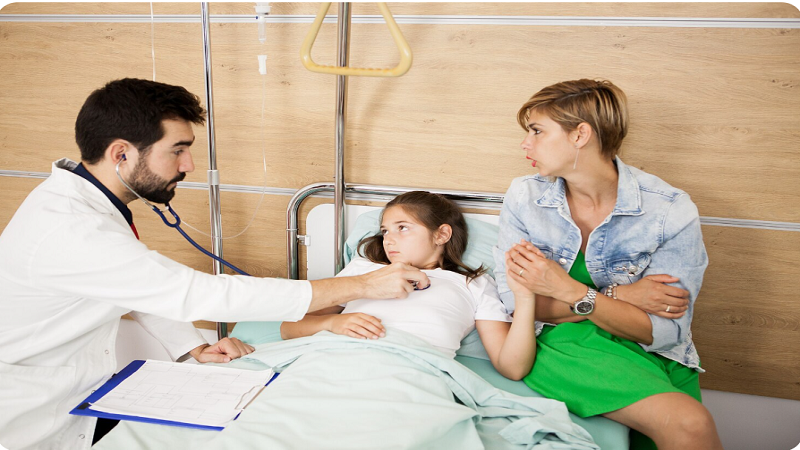
Medical trauma doesn’t always look like what people expect. It’s not just the aftermath of a single catastrophic event — it can also stem from a difficult diagnosis, an invasive procedure, a frightening ICU stay, or even a string of dismissive interactions with healthcare providers during a vulnerable time. For many patients, the emotional residue of these experiences lingers long after the body has physically healed, showing up as anxiety around doctors, hypervigilance about symptoms, or a persistent sense that their body can no longer be trusted.
Recovering from medical trauma isn’t just about physical rehabilitation. It’s also about rebuilding a felt sense of safety — in the body, in relationships, and in the healthcare system itself. This is an area where attachment-based approaches are increasingly being recognized as valuable additions to traditional trauma recovery.
Why Medical Trauma Is an Attachment Issue
At its core, trauma is often about a rupture in safety and trust. Medical trauma is a particular version of this: patients are placed in situations of extreme vulnerability, frequently with little control over what happens to their own bodies. Being unconscious during surgery, dependent on machines, or unable to advocate for themselves during a crisis can trigger the same nervous system responses as any other overwhelming, helplessness-inducing experience.
For patients who already carry attachment wounds from childhood — those who grew up without consistent caregiving or emotional safety — medical trauma can hit even harder. Being physically vulnerable and dependent on others (doctors, nurses, family members) can reactivate old fears about whether care will actually show up, whether their needs will be taken seriously, and whether they can trust anyone to keep them safe.
This is why traditional trauma therapy alone sometimes isn’t enough. Addressing the immediate traumatic memory is important, but for many patients, healing also requires rebuilding a deeper, more foundational sense that safety and care are reliably available — something that traces back to early attachment experiences.
How Attachment-Based Work Supports Medical Trauma Recovery
Structured, imagination-based approaches like the ideal parent figure protocol offer a way to work directly with this deeper layer. Rather than only processing the traumatic medical event itself, this kind of work helps patients build a new internal experience of consistent, attuned care — one that can buffer against the fear and helplessness that medical trauma often leaves behind.
Over repeated sessions, patients practice imagining and internalizing the presence of caregivers who respond with warmth, protection, and steadiness — qualities that may have been inconsistent or absent in their early lives, and that were often sorely missing during a frightening medical experience. This isn’t about denying what happened medically; it’s about giving the nervous system new reference points for what safety and care can feel like, which can make it easier to trust the body and the healthcare system again going forward.
Common Signs Medical Trauma May Be Attachment-Related
Not every difficult medical experience leaves lasting attachment-related trauma, but certain patterns suggest a deeper connection worth exploring:
- Ongoing distrust of doctors or medical settings, even with a supportive care team
- A tendency to minimize symptoms or avoid seeking help until a crisis point
- Difficulty letting others help during recovery, even when support is offered
- Persistent hypervigilance about the body, long after physical healing is complete
- A childhood marked by inconsistent care or a sense that needs went unmet
For patients who recognize these patterns, addressing the underlying attachment wound — not just the traumatic medical memory — can be an important part of a full recovery.
A Complement, Not a Replacement
It’s worth being clear that this kind of work isn’t a substitute for medical care, trauma-focused therapy, or psychiatric treatment when needed. Medical trauma often benefits from a layered approach: continued medical follow-up, evidence-based trauma therapies such as EMDR or CPT, and attachment-focused work that addresses the deeper relational patterns shaping how a patient experiences safety and vulnerability.
For many patients, combining these approaches offers the most complete path forward — one that addresses both the specific traumatic memory and the broader attachment patterns that shape how safe they feel in their own body and in the care of others.
Moving Forward After Medical Trauma
Recovering from medical trauma is rarely linear, and healing often requires more than simply “getting past” a frightening event. For patients whose fear, distrust, or hypervigilance seems to run deeper than the medical incident itself, exploring the attachment roots of that response — with the support of a therapist or practitioner trained in approaches like this one — can be a meaningful step toward feeling safe in their body again See more information:wutawhealth.org