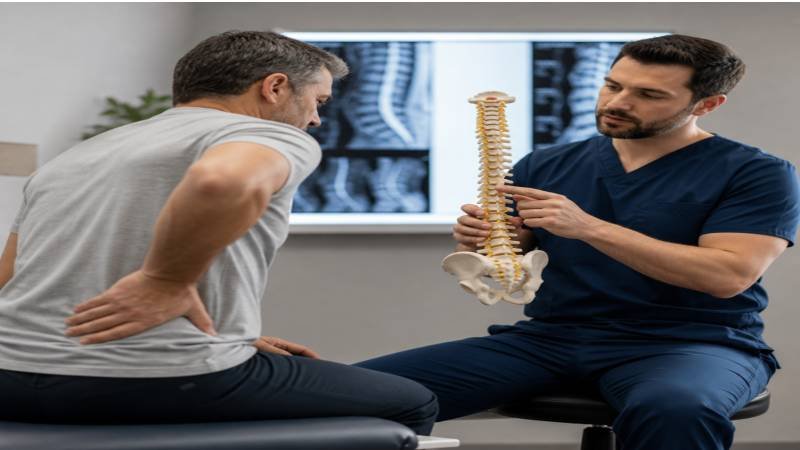
Chronic back pain affects an estimated 20% of adults globally, creating a ripple effect that extends beyond physical discomfort to impact mental health, work productivity, and overall quality of life. While many people attempt to manage their symptoms with over-the-counter pain relievers or general exercise routines, persistent or worsening back pain often requires specialized medical attention. Understanding when to seek help from spine care specialists and what treatment options exist can make the difference between years of suffering and effective pain management.
The Complexity of Spine-Related Conditions
The human spine is a sophisticated structure comprising 33 vertebrae, intervertebral discs, ligaments, muscles, and an intricate network of nerves. This complexity means that back pain can originate from numerous sources: herniated discs, spinal stenosis, degenerative disc disease, facet joint arthritis, or muscular strain. Each condition requires a different diagnostic approach and treatment strategy.
Misdiagnosis or delayed diagnosis remains a significant challenge in spine care. A patient experiencing lower back pain radiating down the leg might assume it’s a muscle problem when it’s actually sciatica caused by nerve compression. Similarly, what feels like upper back tension could stem from thoracic spine issues or even referred pain from internal organs. This diagnostic complexity is why specialized spine care has become increasingly important in modern healthcare systems.
When General Treatment Isn’t Enough
Most cases of acute back pain resolve within six weeks with conservative treatment: rest, ice or heat application, and gentle movement. However, approximately 30% of patients develop chronic pain lasting three months or longer. This is the point where specialized intervention becomes necessary.
Red flags that warrant immediate specialist consultation include pain accompanied by numbness or weakness in the legs, loss of bladder or bowel control, pain following trauma, or pain that worsens at night. Even without these alarming symptoms, back pain that persists despite conservative treatment, interferes with daily activities, or requires increasing doses of pain medication should prompt a referral to spine care professionals.
The Diagnostic Process
Spine specialists employ a methodical diagnostic approach that begins with a detailed patient history and physical examination. They assess posture, range of motion, reflexes, and muscle strength. Imaging studies such as X-rays, MRI scans, or CT scans help visualize structural problems, while nerve conduction studies can identify specific nerve damage.
Advanced diagnostic techniques include discography, where contrast dye is injected into discs to identify pain sources, and diagnostic nerve blocks that help pinpoint which nerves are transmitting pain signals. This precision in diagnosis allows for targeted treatment rather than trial-and-error approaches.
Comprehensive Spine Care in the UAE
The UAE has developed a robust healthcare infrastructure that includes world-class spine care facilities. For residents of Abu Dhabi seeking specialized treatment for back and neck conditions, comprehensive evaluation and treatment options are available through multidisciplinary teams that include orthopedic surgeons, neurosurgeons, pain management specialists, and rehabilitation professionals. Those looking for conservative spine care approaches can find the best chiropractor in abu dhabi working alongside other spine specialists to provide integrated treatment plans that address both acute injuries and chronic conditions through manual therapy, exercise rehabilitation, and lifestyle modifications tailored to each patient’s specific diagnosis.
Treatment Approaches Beyond Surgery
Contrary to popular belief, spine surgery is rarely the first option. Modern spine care emphasizes conservative treatments that can effectively manage most conditions. Physical therapy focuses on strengthening core muscles, improving flexibility, and correcting movement patterns that contribute to pain. Manual therapy techniques can address joint restrictions and soft tissue problems.
Interventional pain management offers middle-ground options between medication and surgery. Epidural steroid injections can reduce inflammation around compressed nerves, providing relief that lasts weeks to months. Radiofrequency ablation uses heat to interrupt pain signals from specific nerves. These procedures are performed on an outpatient basis with minimal recovery time.
Medication management has evolved beyond simple pain relievers. Nerve pain medications, muscle relaxants, and anti-inflammatory drugs can be combined strategically. For some patients, low-dose antidepressants help manage chronic pain by altering pain perception in the nervous system. The goal is finding the minimal effective dose that provides relief without creating dependency or significant side effects.
The Economic Impact of Spine Conditions
Spine-related conditions represent a substantial economic burden on healthcare systems worldwide. The direct costs of treatment combined with indirect costs from lost productivity make back pain one of the most expensive health conditions to manage. Hospital systems have recognized that specialized spine care programs generate significant revenue while addressing a widespread patient need, leading to increased investment in dedicated spine centers with integrated diagnostic and treatment capabilities.
For patients, the financial implications extend beyond medical bills. Chronic back pain is among the leading causes of work disability, with many sufferers reducing work hours or leaving employment entirely. Early intervention by spine specialists can prevent this progression, making specialized care not just medically sound but economically sensible.
The Connection Between Spine Health and Overall Wellness
Spine health influences numerous aspects of physical and mental wellbeing. Chronic pain disrupts sleep patterns, which in turn affects immune function, cognitive performance, and emotional regulation. Limited mobility due to back pain often leads to weight gain, creating a cycle where excess weight places additional stress on the spine.
This interconnection means that comprehensive spine care should address lifestyle factors alongside specific treatments. Weight management, stress reduction, smoking cessation, and ergonomic workplace modifications all play roles in spine health. Research increasingly shows that treating obesity as a medical condition requiring comprehensive intervention can significantly improve outcomes for patients with spine problems, as reducing body weight decreases mechanical stress on spinal structures.
Making Informed Decisions About Spine Care
Navigating spine care options requires active patient participation. Before committing to any treatment, patients should understand their specific diagnosis, why a particular treatment is recommended, what alternatives exist, and what realistic outcomes to expect. Second opinions are appropriate for surgical recommendations, and patients should feel comfortable asking questions about success rates, potential complications, and recovery timelines.
The most successful treatment outcomes occur when patients engage actively in their care. This means attending physical therapy sessions consistently, performing home exercises as prescribed, maintaining follow-up appointments, and communicating openly about what is and isn’t working. Spine care is rarely a quick fix but rather a process of incremental improvement guided by specialists who can adjust treatment plans based on patient response.
For those living with chronic back pain, the path forward involves finding the right combination of specialists, treatments, and self-management strategies. While the journey may require patience and persistence, modern spine care offers more options than ever before for regaining function and improving quality of life. The key is recognizing when professional help is needed and taking that first step toward specialized evaluation.