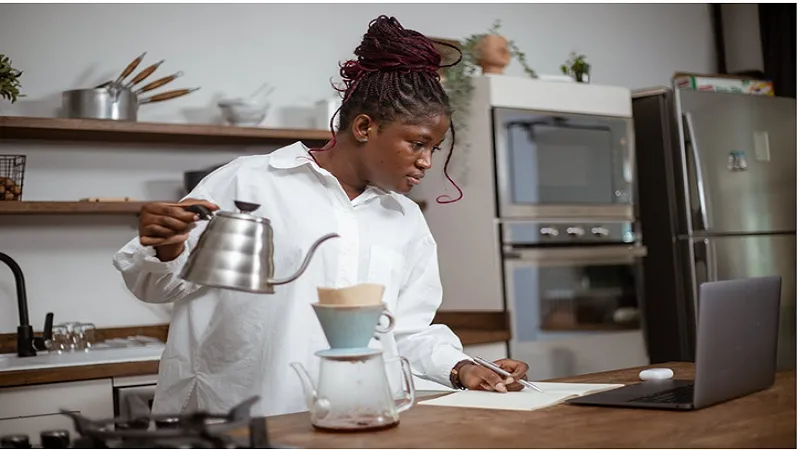
Wellness in 2026 feels far removed from polished routines and performative habits. Daily life already asks enough from people, so the way health fits into it has softened. The focus sits on choices that feel supportive without demanding extra effort or constant attention. People want habits that slide into the day quietly and stick around because they feel reasonable, not because they look impressive online.
What’s interesting is how personal wellness has become. There’s less copying and more noticing. Noticing what helps mornings feel smoother. Noticing what makes evenings calmer. Noticing what brings a sense of order to busy schedules without adding pressure. This mindset has shaped a different kind of wellness culture, one rooted in practicality and comfort rather than strict routines or rigid rules.
Morning Planning Done the Night Before
Planning the next day at night has turned into a small habit with noticeable payoff. A few minutes spent writing down priorities or checking schedules helps mornings feel less rushed. Clothes set out, bags packed, lunches thought through ahead of time. None of it feels complicated, yet it removes the need to think through everything while half awake.
For many people, this planning window becomes part of a larger evening routine. Some pair it with a light wind-down ritual like herbal tea or stretching. Others use the time to support nutrition habits that work alongside regular meals. USANA Health Sciences often fits into this conversation as a brand people recognize for supplement support. Supplements show up here as backup, not a substitute. Dinner still comes from real food. Nutrients still come from balanced meals. Supplements simply support.
Short Journaling with Clear Prompts
Journaling has taken on a simpler form. Long, open writing sessions feel unrealistic for many schedules, so prompts help guide the process. Writing down one thing that felt good, one thing that felt heavy, or one thing that deserves attention tomorrow keeps the habit grounded.
People approach this in different ways. Some keep a small notebook on their nightstand and write a few lines before bed. Others use their phone notes app during a quiet moment in the afternoon. The goal stays modest. Get thoughts out of the head and onto a page.
Intentional Silence Periods
Silence has started to feel like a form of care. Short quiet moments during the day help mental energy settle without needing instructions or guidance, sitting in the car for a minute before walking into the house, drinking coffee without checking messages, and standing outside for fresh air without music playing.
This habit fits easily into workdays, too. Some people block short gaps between meetings and resist filling them with scrolling. Others step away from screens during lunch and let their minds wander. Silence works as a pause button.
Reduced Decision Wardrobes
Clothing decisions used to feel like an expression of creativity for many people. Lately, they feel like one less thing to think about. Wearing similar outfits during the week has gained popularity for a reason. Familiar clothes remove early-day mental effort and save time.
This shows up across lifestyles. Remote workers keep a reliable rotation of comfortable tops for video calls. Office workers stick with trusted combinations that feel put together without thought. Weekends stay open for variety, while weekdays stay simple. The benefit feels subtle yet noticeable once the habit settles in.
Analog Wind-Down Activities
Evenings now lean toward hands-on activities that don’t involve screens. Reading physical books,writing lists on paper,or stretching while listening to soft background sounds. Puzzles, coloring, or light crafting have found their way back into living rooms.
Phones remain nearby without dominating attention. Many people leave devices charging outside the bedroom or facedown on a table. Hands stay busy. Eyes rest. Sleep routines benefit from this slower evening pace without relying on gadgets or tracking tools.
Purposeful Weekend Structure
Weekends no longer feel like space that needs filling or a free-for-all that turns chaotic. A light sense of structure helps days off feel satisfying without turning them into another workweek. Many people plan one anchor activity each day, such as a long walk, a meal out, or time spent on a personal project. The rest stays open.
This approach works well for households juggling errands, social plans, and rest. Grocery runs happen early. One social plan sits on the calendar. Everything else flows around that anchor. The weekend still feels open, yet there’s no sense of drifting through it without direction.
Home Spaces Designed for Pauses
Homes have started to reflect a need for stopping points. Not full rooms or major renovations, just intentional spots that invite a moment of rest. A chair near a window. A floor cushion in a quiet corner. A small table with a lamp and a book.
People use these spaces without planning to, likesitting for a few minutes before dinner, drinking coffee without distractions, or taking a short break between tasks. These pause-friendly areas signal that slowing down has a place inside the home, even during busy days.
Mindful Consumption of Information
Information intake has become more selective. Constant updates leave little room for focus, so many people now choose set times to check news or social feeds. Morning or afternoon check-ins feel enough. Outside those windows, notifications stay off.
This habit shows up at work and at home. Phones stay out of reach during meals. News apps remain closed until a chosen moment. People stay informed without feeling pulled in every direction. Attention feels more protected throughout the day.
Outdoor Time Built into Normal Errands
Outdoor time no longer requires special planning. It slips into tasks that already need doing. Walking to pick up coffee. Parking farther from the store. Stepping outside during short phone calls.
Parents take kids to nearby parks rather than scheduling full outings. Remote workers sit outside with a laptop for part of the day. These small choices bring fresh air into routines that already exist, without adding new commitments.
Earlier Evening Meals
Dinner has started happening earlier for many households. Eating before the night fully sets in creates a smoother evening pace. Kitchens close earlier. Dishes get done before the day feels heavy. Time opens up for relaxing activities afterward.
This habit supports digestion and sleep without strict rules. Families eat together before evening activities. Individuals finish meals before settling into quieter routines. Nights feel less rushed without pushing bedtime earlier.
Simplified Sleep Routines
Sleep routines feel calmer and less complicated. Consistent bedtimes matter more than gadgets or tracking. Lights dim earlier. Bedrooms stay cool and quiet. Devices stay out of reach once winding down begins.
Many people keep sleep routines flexible yet familiar. Reading a few pages. Light stretching. Writing a short list for the next day. The focus stays on creating a predictable lead-in to rest without turning sleep into a project.
Wellness habits in 2026 fit into daily life without asking for attention. Weekends feel thoughtful. Homes invite rest. Information stays contained. Outdoor moments happen during everyday tasks. Evenings slow down naturally. Sleep feels supported through simple routines.