Technology is evolving at an incredible speed, and its impact can be seen in every part of our lives. From the way we communicate to how businesses operate, modern technology is shaping a smarter and more connected world. In today’s digital era, understanding technology trends is not just important for IT professionals but for everyone who wants to stay competitive and informed.
Artificial Intelligence: The Brain Behind Smart Systems
Artificial Intelligence (AI) is one of the most powerful technologies of the 21st century. AI enables machines to think, learn, and make decisions like humans. It is used in voice assistants, recommendation systems, chatbots, and even self-driving cars.
Businesses use AI to analyze customer data, improve services, and automate repetitive tasks. In healthcare, AI helps doctors diagnose diseases more accurately. In education, AI-powered tools provide personalized learning experiences for students. As AI continues to develop, it will play an even bigger role in shaping industries worldwide.
Cloud Computing: Access Your Data Anytime, Anywhere
Cloud computing has changed how individuals and companies store and manage data. Instead of saving files on a single computer or hard drive, users can store them on cloud platforms and access them from any device with an internet connection.
This technology offers flexibility, cost savings, and improved security. Many businesses rely on cloud services to manage operations, collaborate with teams remotely, and protect important information. As remote work becomes more common, cloud computing will remain a backbone of digital transformation.
5G Technology: Faster and Smarter Connectivity
The introduction of 5G technology is revolutionizing internet connectivity. With higher speeds and lower latency, 5G makes streaming, gaming, and online communication smoother than ever before.
Beyond entertainment, 5G supports smart cities, autonomous vehicles, and advanced medical technologies. Faster internet also means better support for IoT devices, allowing more efficient communication between connected systems.
Cybersecurity: Protecting the Digital World
As technology grows, so do online threats. Cybersecurity has become essential for individuals and organizations. Hackers target personal data, financial information, and sensitive business records.
To stay secure, users should create strong passwords, enable two-factor authentication, and regularly update software. Companies invest heavily in cybersecurity systems to protect their networks and customer information. In the future, cybersecurity will continue to be a top priority as digital dependence increases.
Internet of Things (IoT): Smart Devices Everywhere
The Internet of Things (IoT) connects everyday devices to the internet. Smart homes are one of the most common examples, where lights, thermostats, and security cameras can be controlled remotely.
IoT improves convenience and efficiency. In industries, it helps monitor machines, track shipments, and reduce operational costs. As more devices become connected, IoT will continue to expand across different sectors.
Technology in Education and Remote Work
Digital tools have transformed education and workplaces. Online learning platforms allow students to access courses from anywhere in the world. Video conferencing tools make remote work possible and productive.
This shift has created new job opportunities, especially in digital marketing, software development, and content creation. Technology has made it easier for people to learn new skills and grow professionally without geographical limitations.
The Future: Blockchain, Virtual Reality, and Beyond
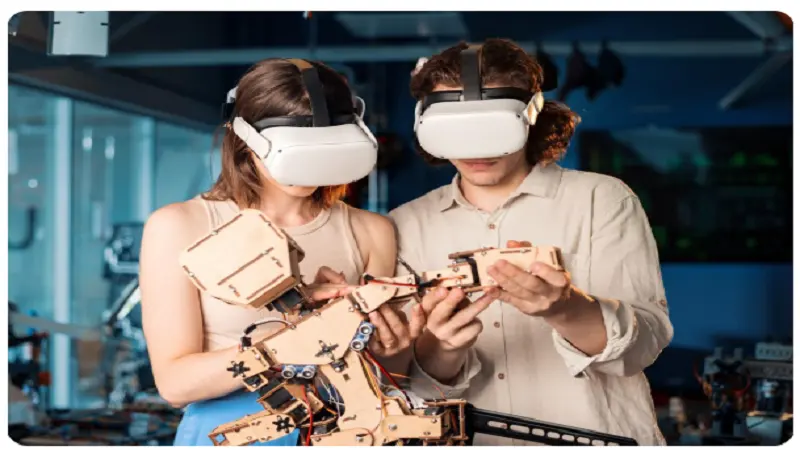
Emerging technologies like blockchain, virtual reality (VR), and augmented reality (AR) are opening new possibilities. Blockchain improves transparency and security in financial transactions. VR and AR are enhancing gaming, training, and online shopping experiences.
The future of technology promises even more innovation. Automation, robotics, and smart systems will continue to change industries and create new career paths.
Conclusion
Technology is not just a tool; it is a driving force behind global progress. From artificial intelligence to 5G connectivity, each innovation is making life faster, smarter, and more efficient. To succeed in this technology-driven world, individuals and businesses must stay updated, adapt to changes, and embrace new digital skills.