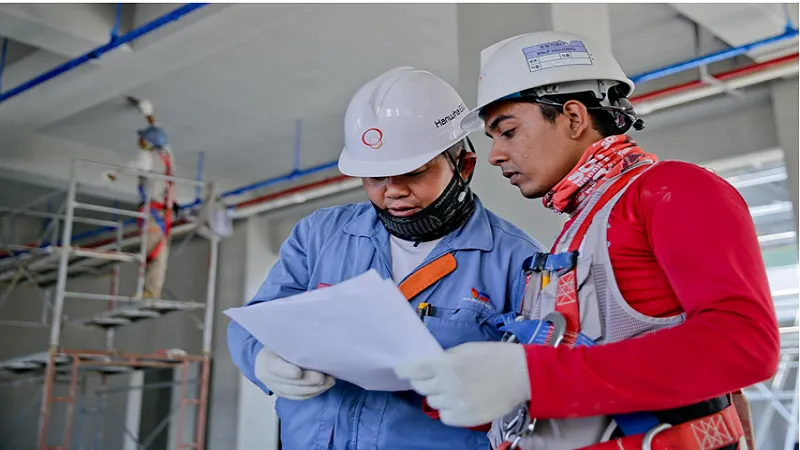
A workplace runs better when people feel safe. It’s that simple. When employees know their health matters, they focus better, make fewer mistakes, and work with more confidence. When safety slips through the cracks, problems start to appear. Injuries happen. Productivity drops. Morale takes a hit.
Many owners assume workplace safety mainly applies to construction sites or factories. But every workplace carries risks. Offices deal with posture issues and stress. Warehouses face lifting hazards.
As a leader, the standards you set shape how seriously safety is taken. When you make it part of daily operations instead of a once-a-year checklist, your team starts to pay attention as well.
In this guide, we’ll discuss some practical safety principles that can help protect your workers while strengthening your workplace at the same time.
The Role of an Occupational Health and Safety Specialist
As workplaces grow more complex, many organizations rely on occupational health and safety specialists to manage risk. These professionals study workplace conditions, identify hazards, and help organizations build safer systems.
An occupational health and safety specialist evaluates work environments and recommends practical changes. They review safety procedures, train employees, investigate incidents, and ensure the workplace follows safety regulations. Their work helps prevent injuries and improve long-term employee health.
For anyone interested in becoming an occupational health and safety specialist, education and training play an important role. Many professionals earn a degree in occupational health and safety, environmental health, public health, or a related field. Employers also value certifications and specialized training in workplace safety standards.
Strong communication skills also matter. Safety specialists often work with managers, engineers, and employees to improve safety practices. They must explain risks clearly and help organizations adopt safer systems.
Make Safety Part of Everyday Work Culture
Safety cannot live inside a manual that nobody reads. It needs to show up in everyday decisions. When you treat safety as part of daily operations, employees start to treat it the same way.
Simple habits make a difference. Encourage workers to double-check equipment, report hazards quickly, and follow procedures even when work gets busy. Managers should lead by example. When leadership respects safety rules, employees usually follow.
A strong safety culture also means workers feel comfortable speaking up. If someone notices a risk, they should feel confident raising it without worrying about blame or criticism.
Identify Workplace Hazards Before They Cause Problems
Many workplace accidents come from hazards that people ignored for too long. Loose cables, poorly stored materials, damaged tools, or blocked walkways can all lead to injuries.
Regular inspections help you catch these problems early. Walk through your workplace and look at areas where employees work, store equipment, or move heavy items. Pay attention to lighting, ventilation, and equipment condition.
When you identify risks early, you can fix them before someone gets hurt.
Train Employees So They Know How to Work Safely
Even the best safety policies will fail if employees do not understand them. Hence, training plays a major role in preventing injuries.
New employees should receive safety training before they start working independently. This training should explain workplace hazards, proper equipment use, and emergency procedures.
Refresher training also helps experienced employees stay alert. Over time, people may become comfortable and overlook risks. Regular reminders keep safety practices fresh in everyone’s mind.
Keep Equipment and Tools in Good Condition
Poorly maintained equipment creates unnecessary risk. Broken guards, dull blades, and faulty machines can easily lead to accidents.Routine maintenance keeps equipment working safely. Create a schedule for inspections, repairs, and replacements. Encourage employees to report equipment problems right away.
When workers know that tools remain reliable and safe, they perform tasks with more confidence.
Encourage Employees to Speak Up About Risks
Employees often notice hazards before managers do. How? Because they work closest to the equipment and daily processes.
Create a system where workers can report concerns easily. This could include simple reporting forms, team meetings, or direct conversations with supervisors.
The key point is this: employees should feel safe sharing concerns. When workers trust that management listens and takes action, safety improves across the organization.
Pay Attention to Ergonomics
Not every workplace injury comes from sudden accidents. Many develop slowly through repetitive tasks or poor posture.Employees who sit for long periods may develop back or neck pain. Workers who lift heavy items repeatedly may strain muscles or joints.
You can reduce these risks by adjusting workstations, providing supportive equipment, and encouraging proper lifting techniques. Small improvements in ergonomics can prevent long-term health issues.
Prepare for Emergencies in Advance
Emergencies rarely give warnings. Fires, medical incidents, or equipment failures can happen unexpectedly.Your team should know exactly what to do in these situations. Emergency plans should include evacuation routes, communication procedures, and access to first aid supplies.Practice drills are also important. These helpemployees stay calm and respond quickly during real emergencies.
Support Mental Health at Work
Safety isn’t just about physical health; it includes mental well-being as well. Stress, burnout, and fatigue can increase the risk of workplace mistakes and accidents.
Encourage healthy work schedules and reasonable workloads. Provide support systems such as counseling services or wellness programs when possible.
Employees who feel mentally supported tend to stay more focused and engaged.
Review and Improve Safety Practices Regularly
Workplaces change over time. New equipment, new staff, and new processes can introduce new risks.That’s exactly why safety policies should not stay static.
Review procedures regularly and update them when necessary. Look at incident reports, employee feedback, and inspection results to identify areas for improvement.When you treat safety as an ongoing process, your workplace continues to grow stronger and safer.
Safety in the workplace does not come from policies alone. It grows from the everyday choices you make as an organization leader. The way you respond to concerns, the time you invest in training, and the standards you expect from your team all shape how safe your workplace truly is.
When employees see that their health matters, they start to care more about the environment around them. They pay attention to small risks. They look out for their coworkers. Over time, safety stops feeling like a rule and starts feeling like a shared responsibility.
A strong workplace is not only productive. It is also one where people know they can do their jobs without putting their well-being at risk Seemore: